
The Women of Ancient Egypt: Five Codes of Feminine Sovereignty
Thousands of years later, we still know their names. Nefertiti. Hatshepsut. Cleopatra. Nefertari. And alongside them, Hathor — the ancient Egyptian goddess associated with love, music, beauty, joy and the feminine.
They lived in different periods. Held different positions. Left different kinds of legacies. And their lives were considerably more complex than the archetypes through which we encounter them today.
At StormLife, we do not look to these women as historical prescriptions for how a modern woman should live.
We look at them as mirrors.
Their stories invite questions about worth, authority, pleasure, influence and presence that remain strikingly relevant thousands of years later.
These are the five Queen Codes at the heart of the Sovereign Queen Immersion. Not five women to become. Five parts of ourselves to remember.
Why Ancient Egyptian Women Still Fascinate Us
Ancient Egypt occupies a distinctive place in the modern imagination. Its monumental architecture survives. Its rulers left names and faces carved into stone. And within that history are women whose visibility can still feel extraordinary.
Some exercised political authority. Some became celebrated royal figures. Some were remembered through art, architecture and inscriptions. And goddesses such as Hathor embodied dimensions of feminine life that extended beyond political power entirely.
But perhaps the more interesting question isn’t simply: Who were these women? It is: Why are we still looking at them?
Part of the answer may be that they give us a language for dimensions of womanhood that modern life sometimes separates. A woman can be powerful and beautiful. Strategic and sensual. Devoted and sovereign. Visible and self-possessed. Joyful and formidable.
The Queen Codes bring those dimensions back into conversation with one another.
Nefertari · Sacred Worth & Devotion
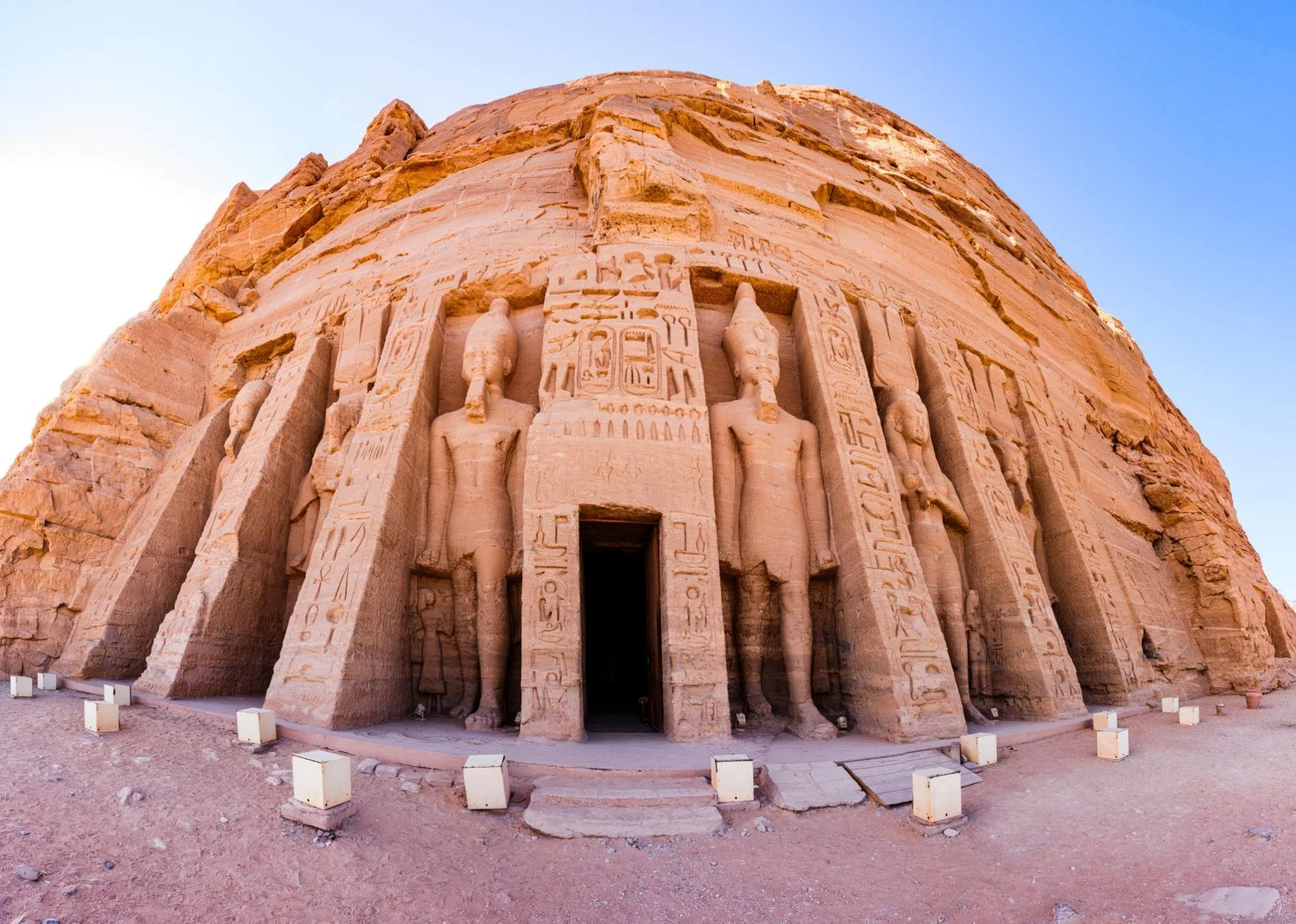
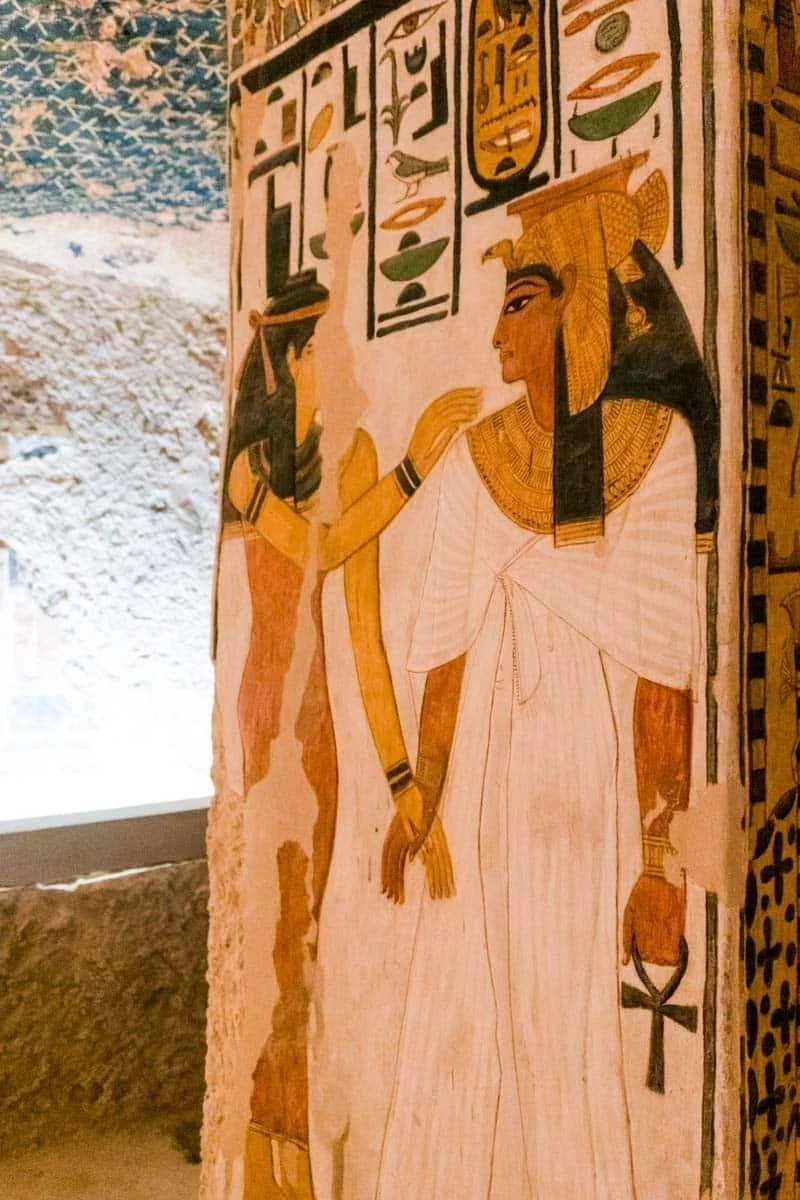
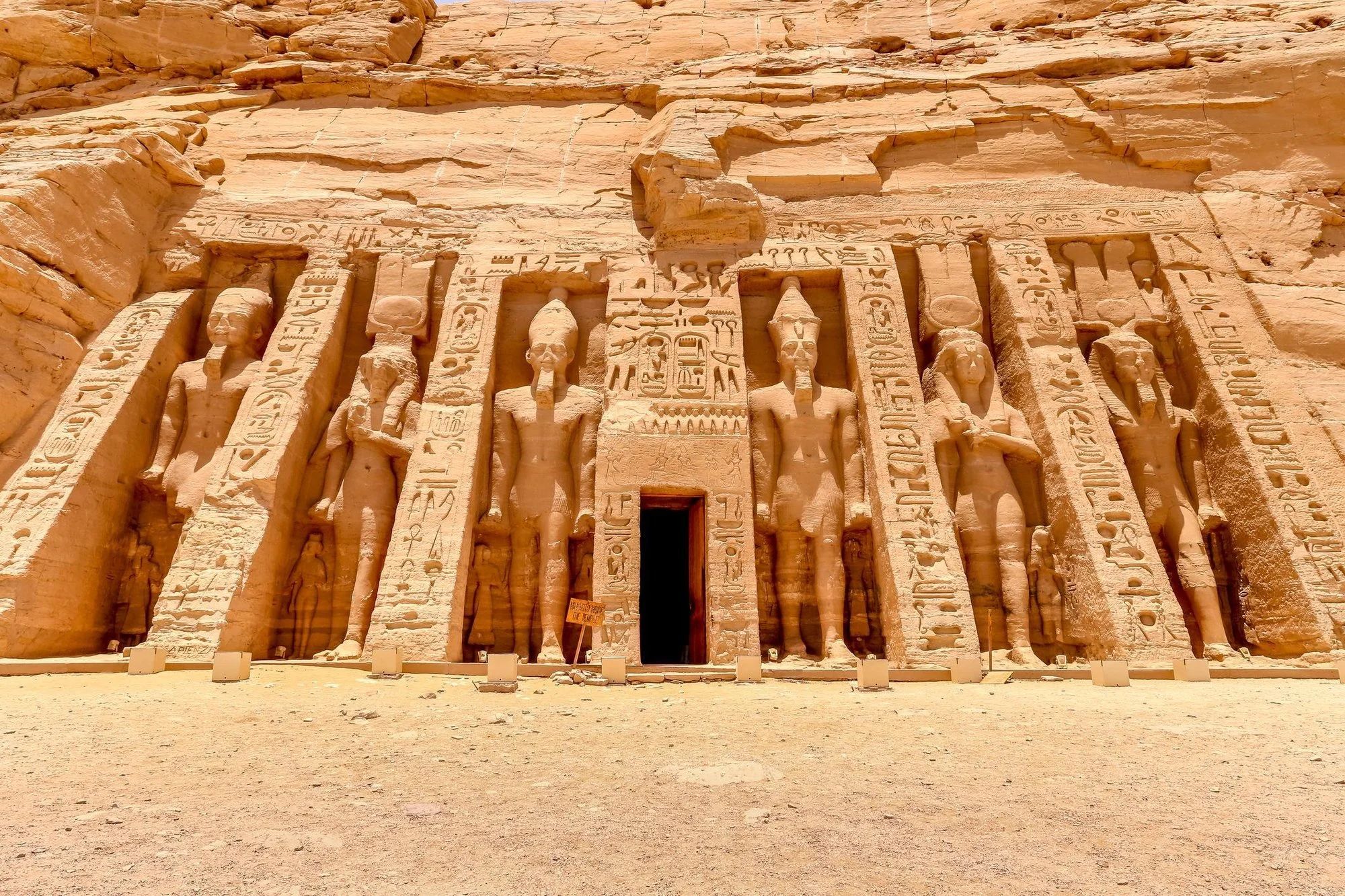
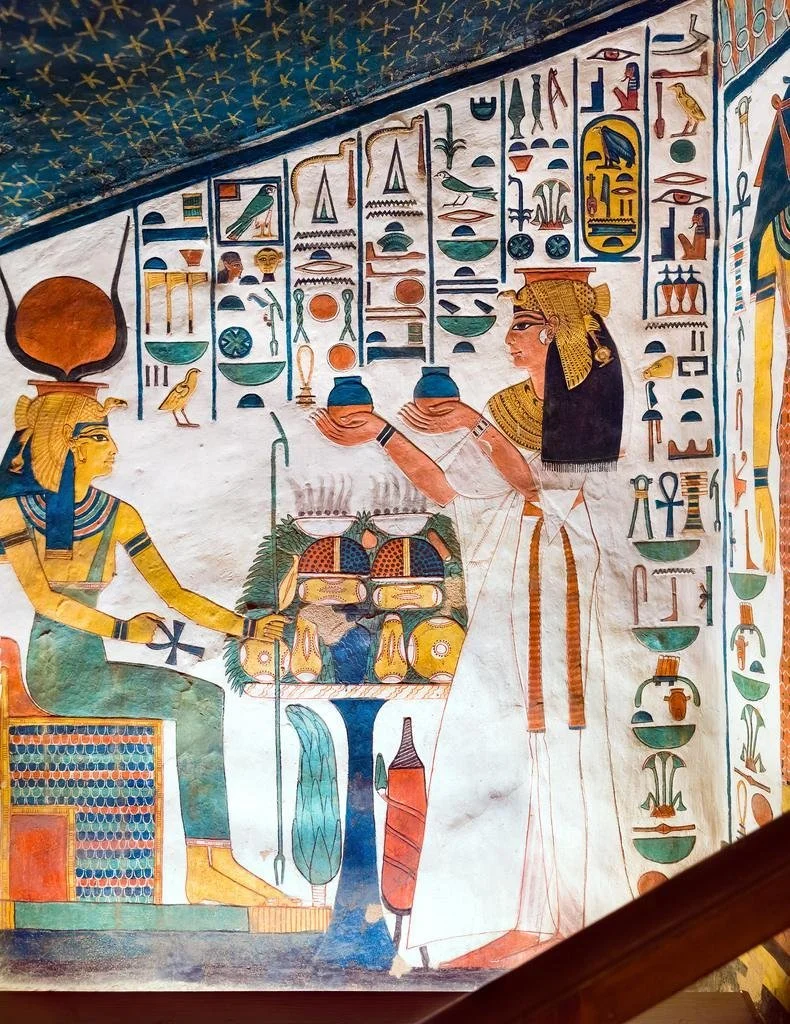
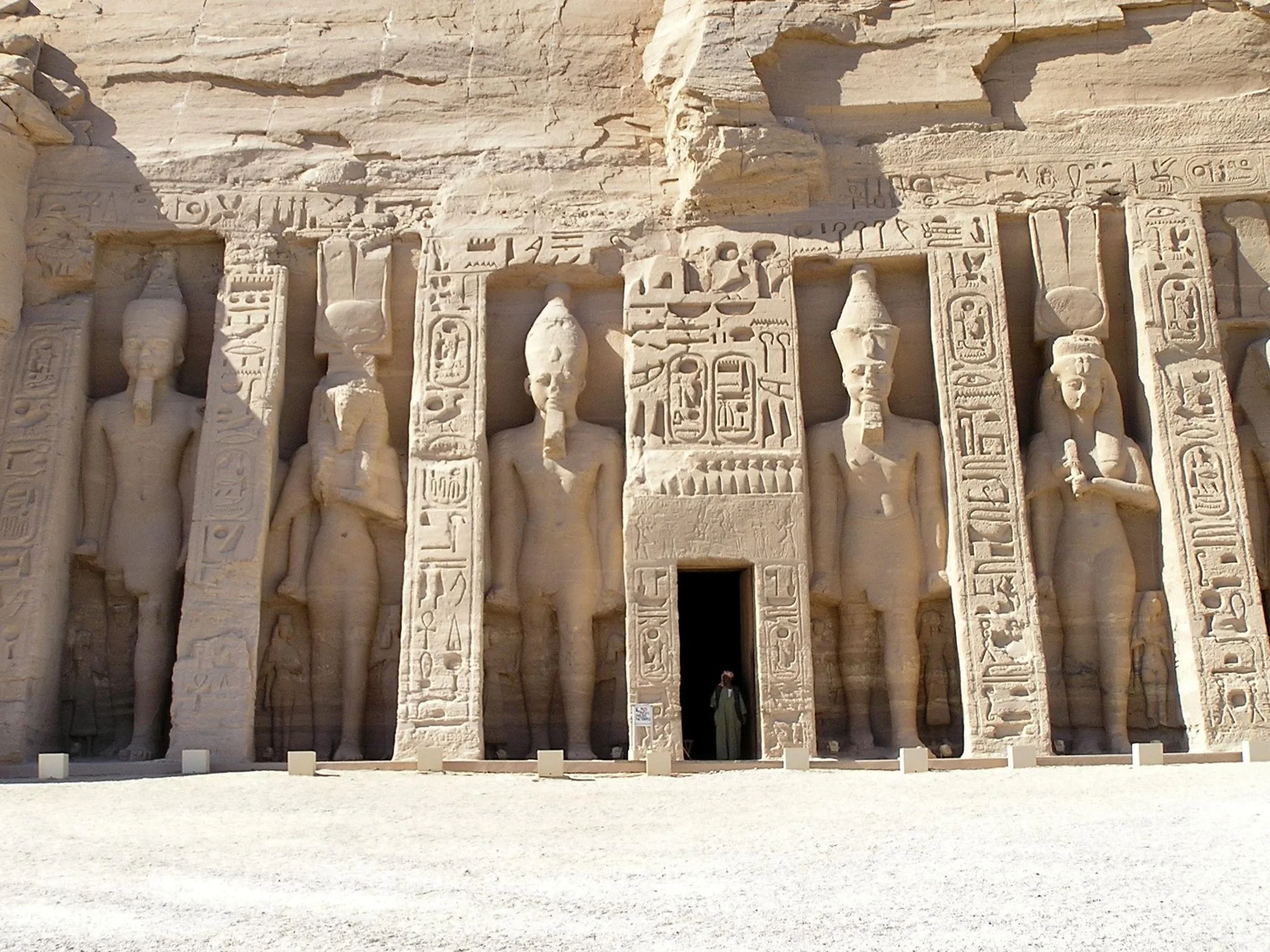
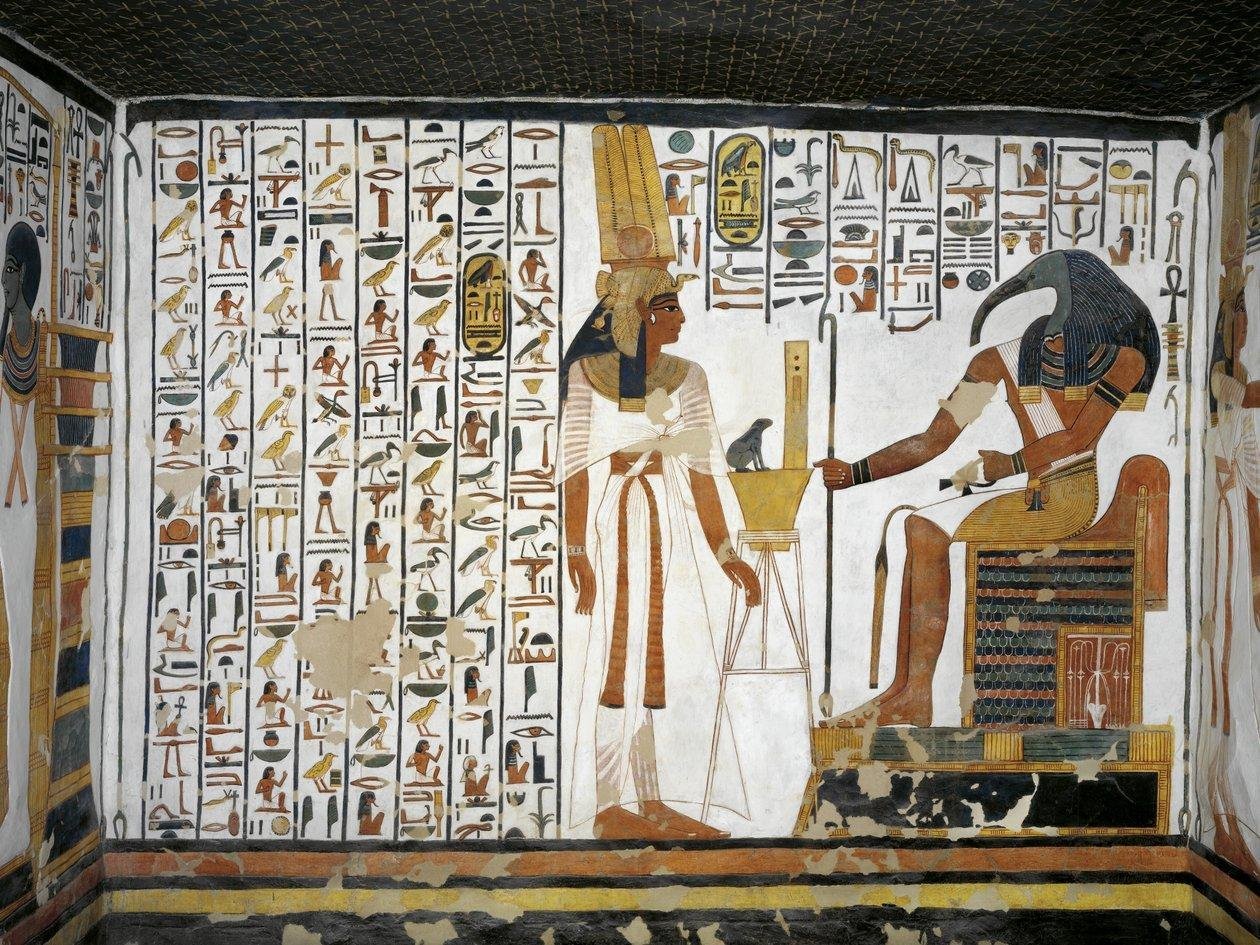
Nefertari was the Great Royal Wife of Ramesses II and remains one of ancient Egypt’s most celebrated queens. Her exquisitely decorated tomb in the Valley of the Queens and her prominence at the smaller temple at Abu Simbel offer enduring evidence of her elevated royal status.
For StormLife, Nefertari opens a conversation about Sacred Worth. Not: How do I get someone to adore me? But: Do I live as though I believe I am worthy of care? There is an enormous difference.
Many accomplished women are remarkably comfortable giving. They anticipate. Provide. Organize. Remember. Carry. Receiving can be much more difficult.
Nefertari’s code asks: What would change if you stopped treating care as something you must earn?
Sacred worth isn’t entitlement. It is the quiet understanding that your value does not increase according to how exhausted you are willing to become for everyone else.
Hatshepsut · Authority & Leadership
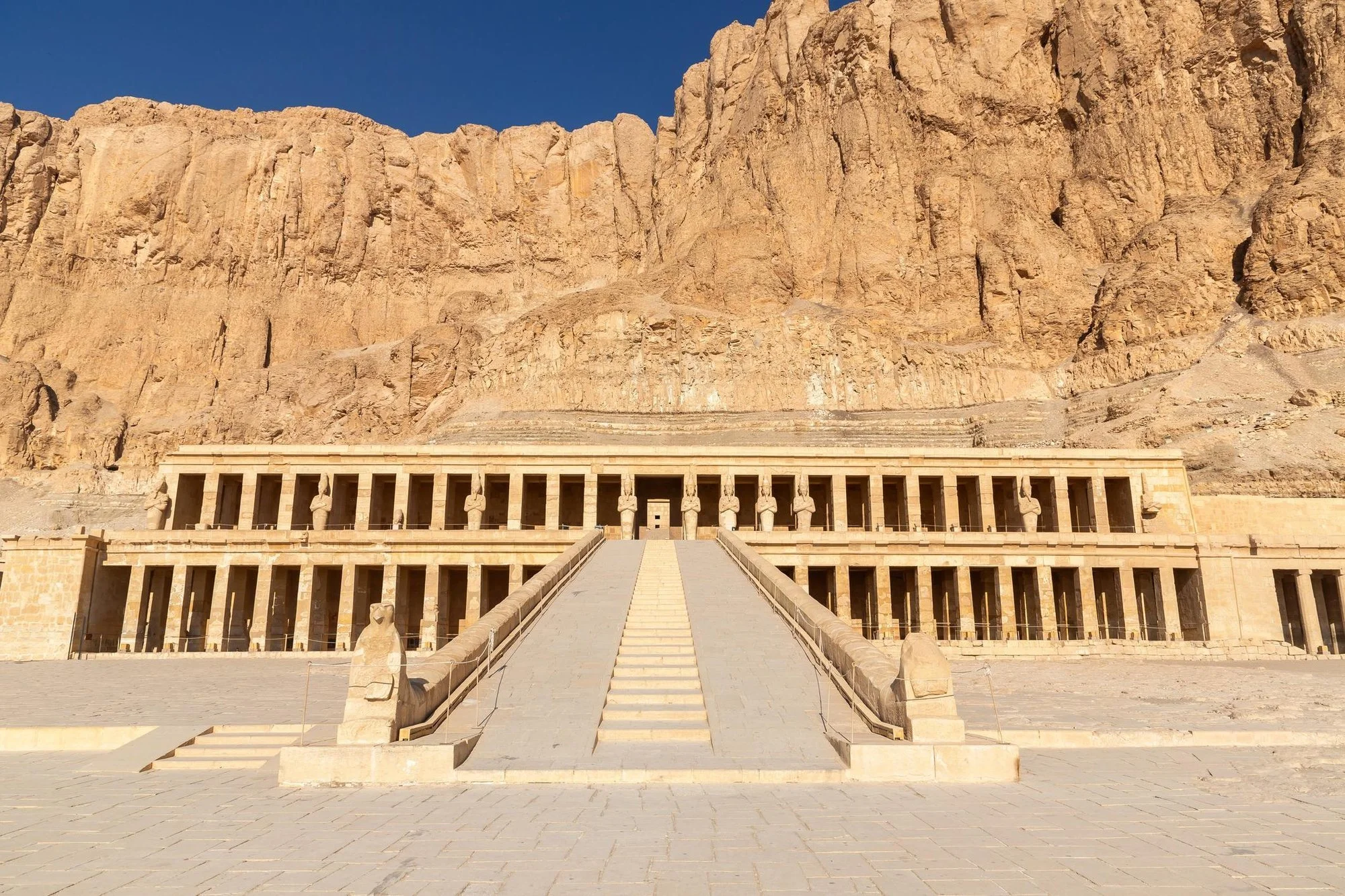
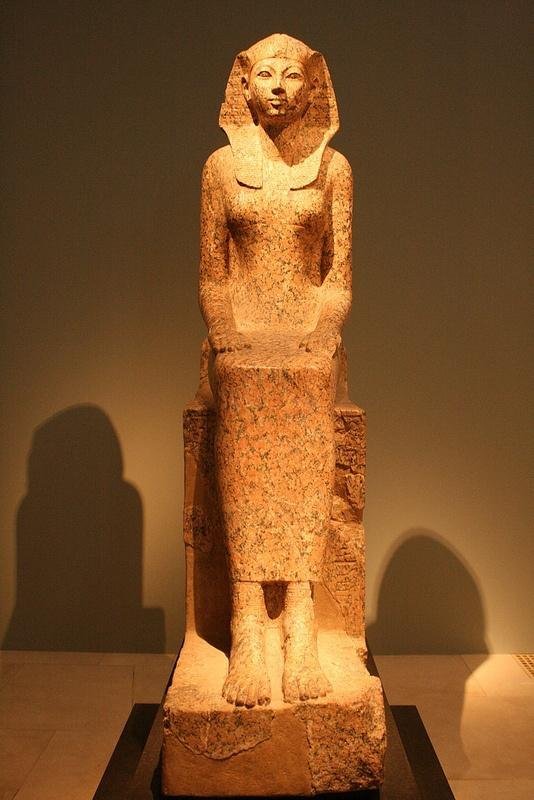

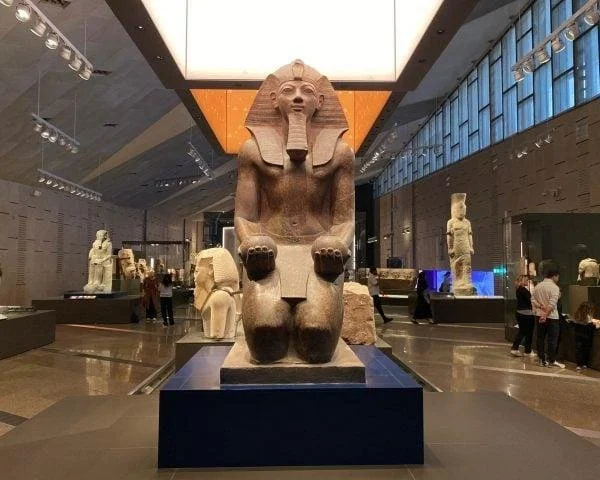
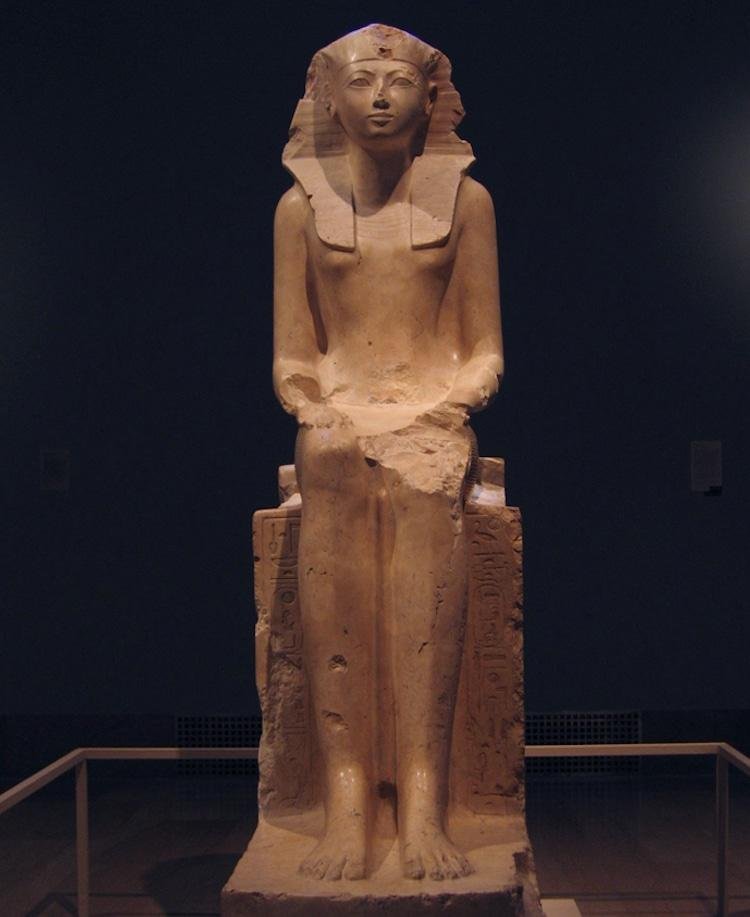
Hatshepsut became one of ancient Egypt’s most significant female pharaohs. Her reign produced ambitious building projects, and her mortuary temple at Deir el-Bahari remains one of Egypt’s great architectural statements.
Her story is particularly compelling because she did not merely occupy proximity to power. She exercised it.
The StormLife Hatshepsut Code is Authority. For the modern woman, that creates a deceptively simple question: Where am I still waiting for permission?
Permission to begin. Permission to stop. Permission to lead differently. Permission to change her mind. Permission to want more. Permission to take herself seriously.
Authority doesn’t require becoming louder. Sometimes authority is simply reaching the point where your own knowing becomes sufficient grounds for action.
Hatshepsut reminds us that leadership can begin with a decision: I am willing to occupy the place I am already capable of holding.
Hathor · Joy & Receiving
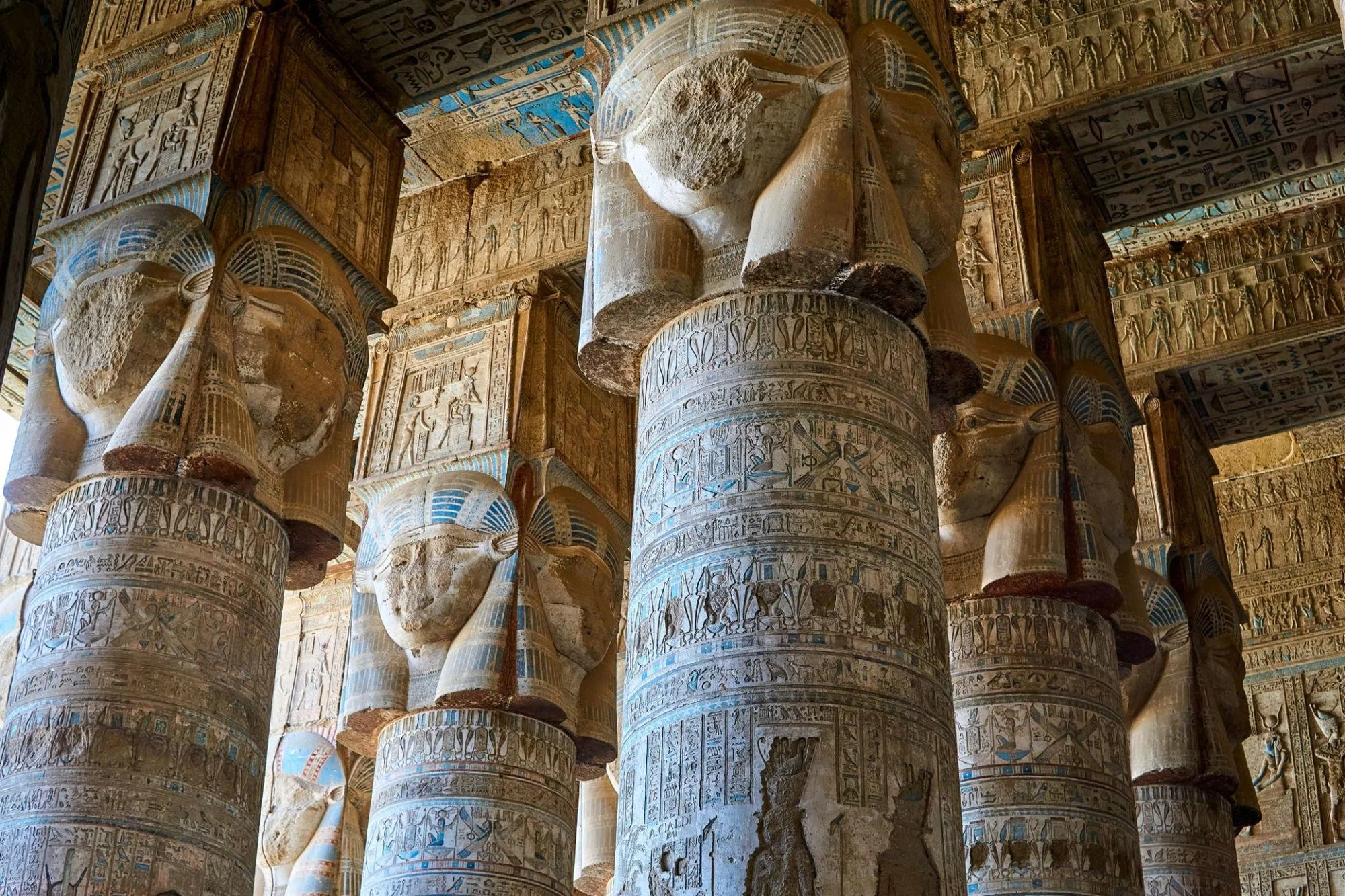
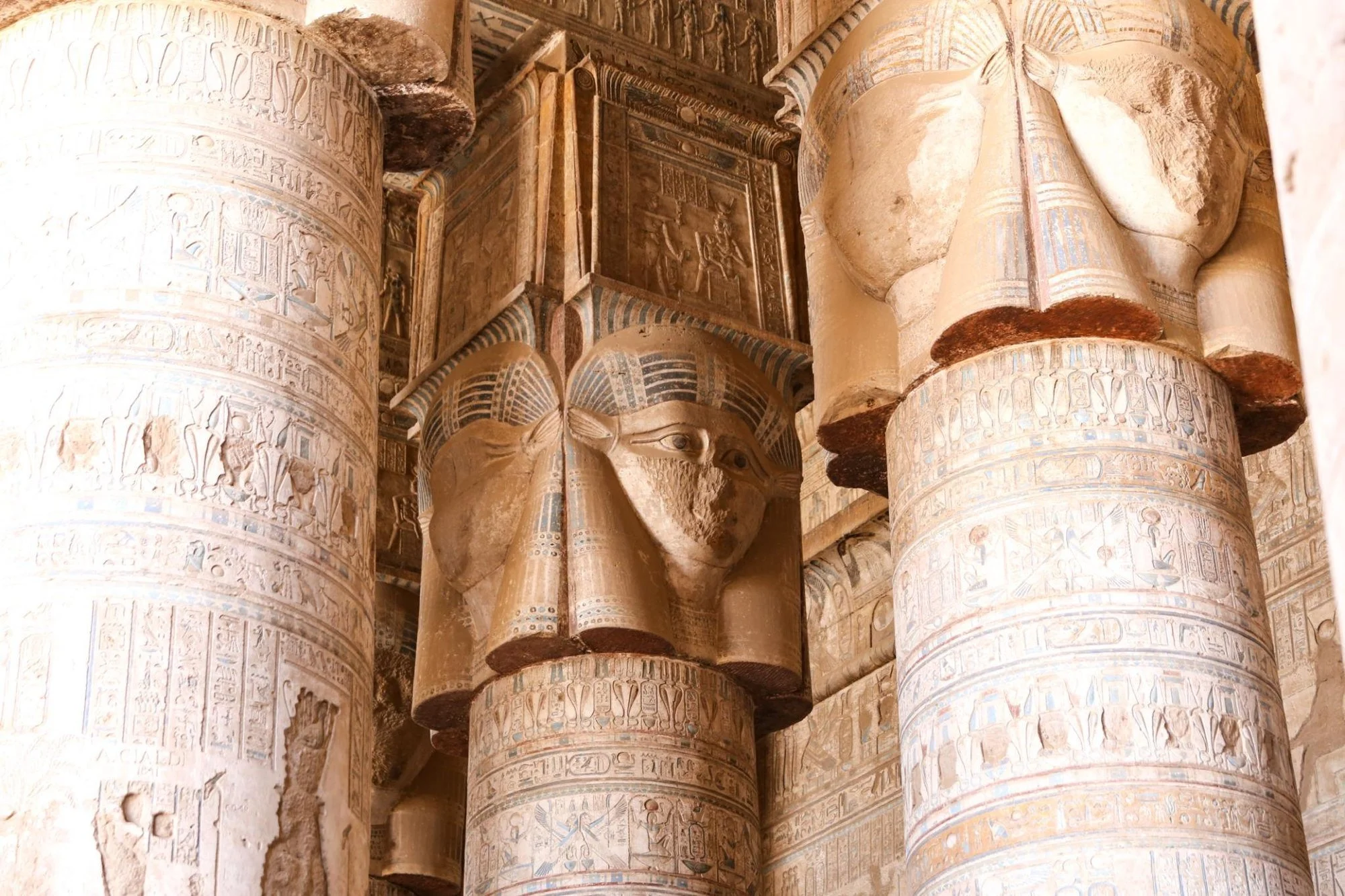
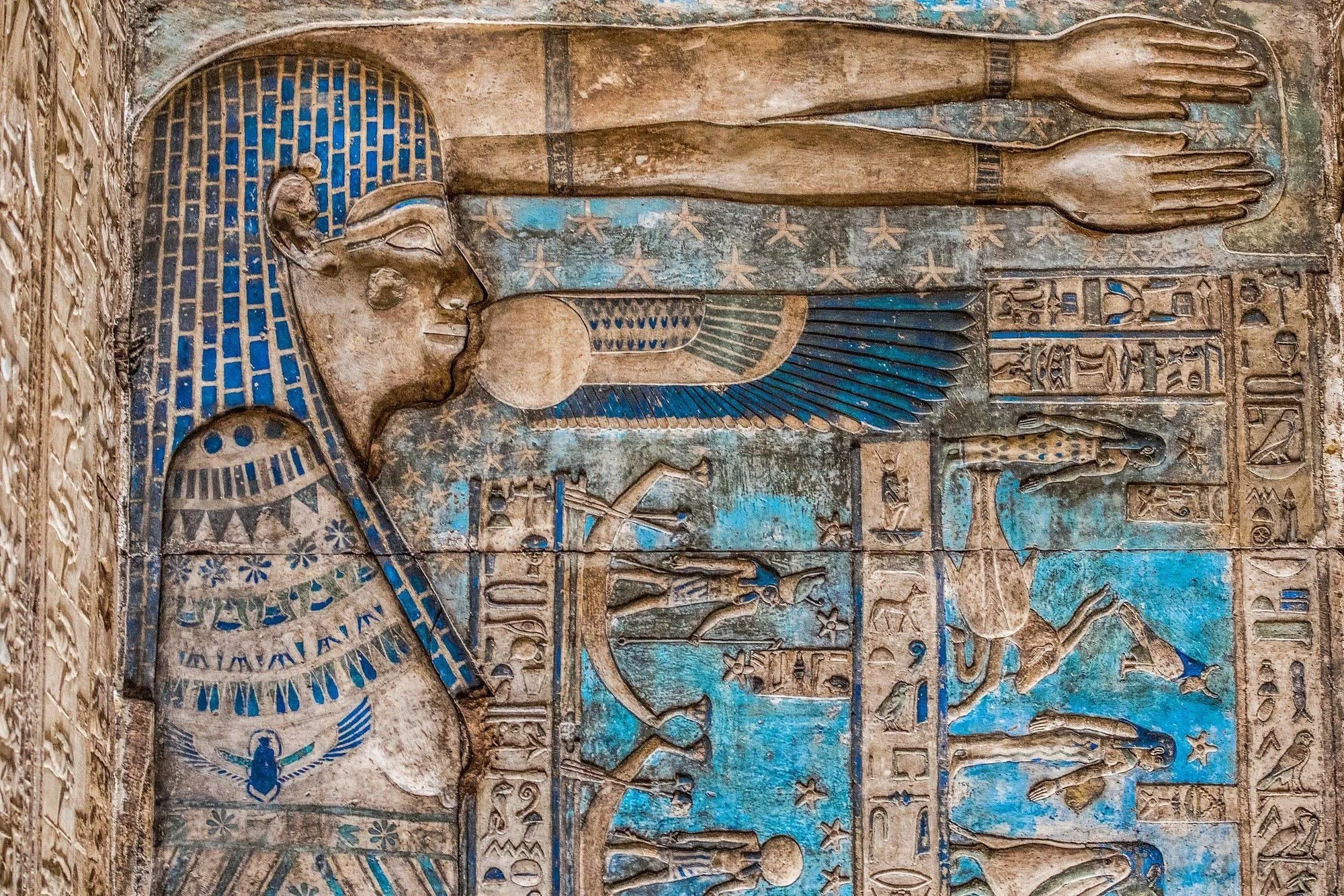
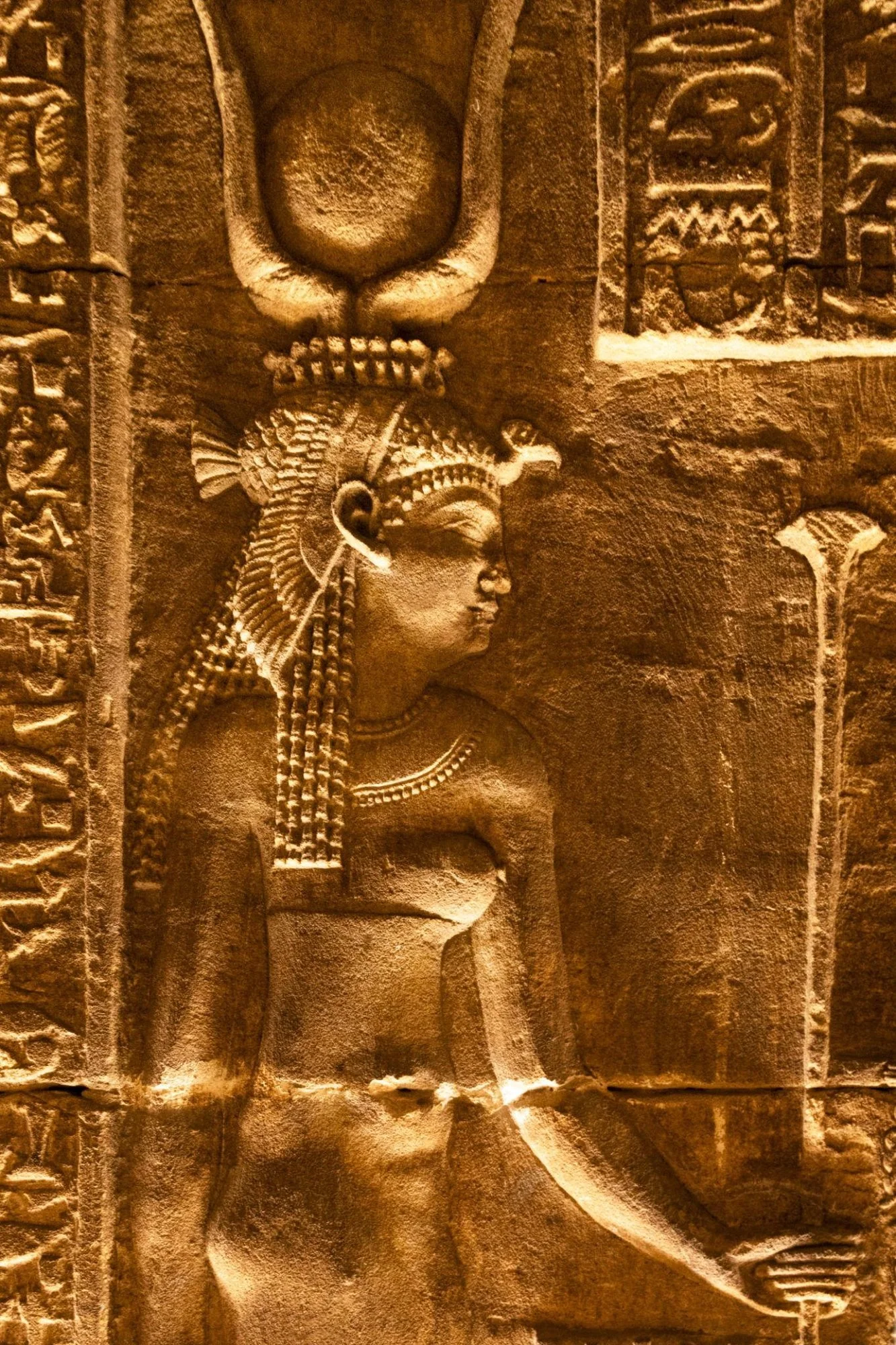
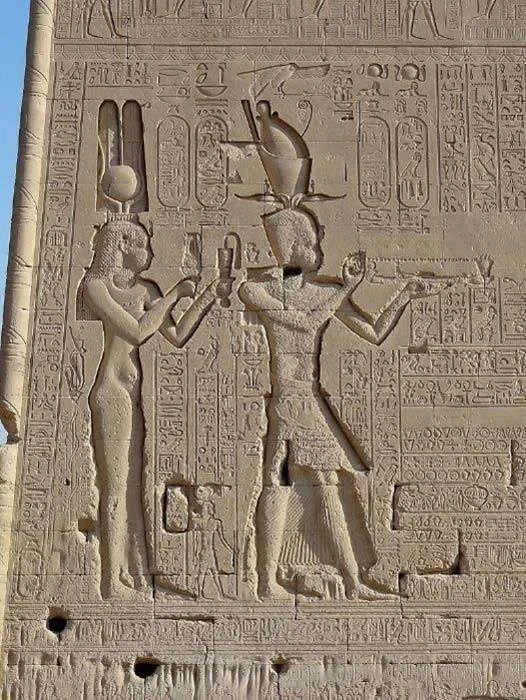
Hathor belongs differently within these five. She was not a queen. She was a goddess whose associations included love, beauty, music, celebration, motherhood and joy, with an important cult center at Dendera.
Her presence within the Queen Codes allows us to explore something power narratives often neglect: Pleasure.
The StormLife Hathor Code is Joy. Not joy as performance. Not compulsory positivity. Not pretending difficult things don’t exist. Joy as the capacity to let something beautiful actually reach you.
Taste the meal. Wear the fragrance. Dance. Rest. Receive the compliment without batting it away. Buy the flowers when no one is coming over. Let an ordinary afternoon be beautiful without first accomplishing something to deserve it.
For women conditioned to associate worth with productivity, pleasure can become surprisingly radical. Hathor asks: Can beauty nourish you without needing to justify its usefulness?
Cleopatra · Strategy & Influence
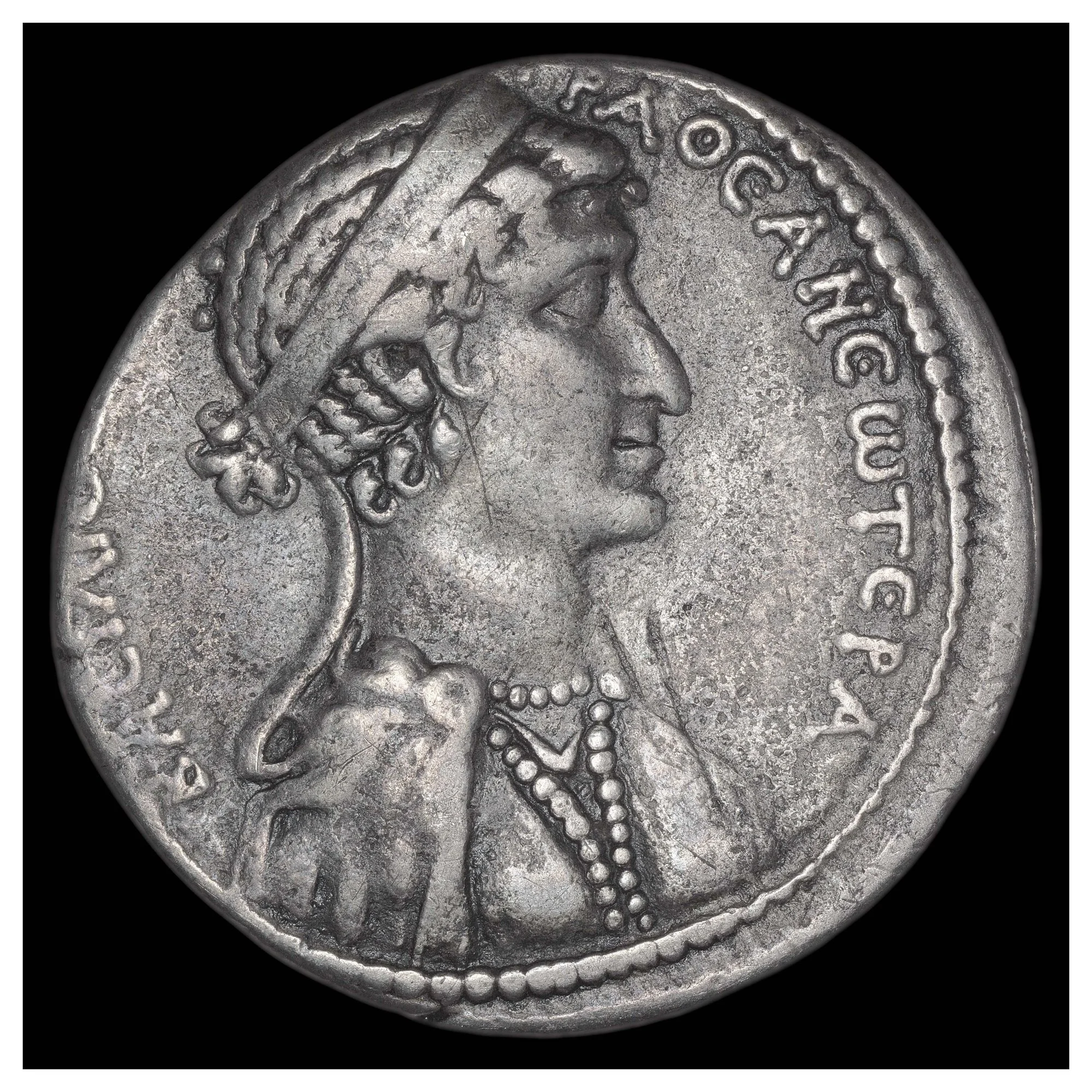
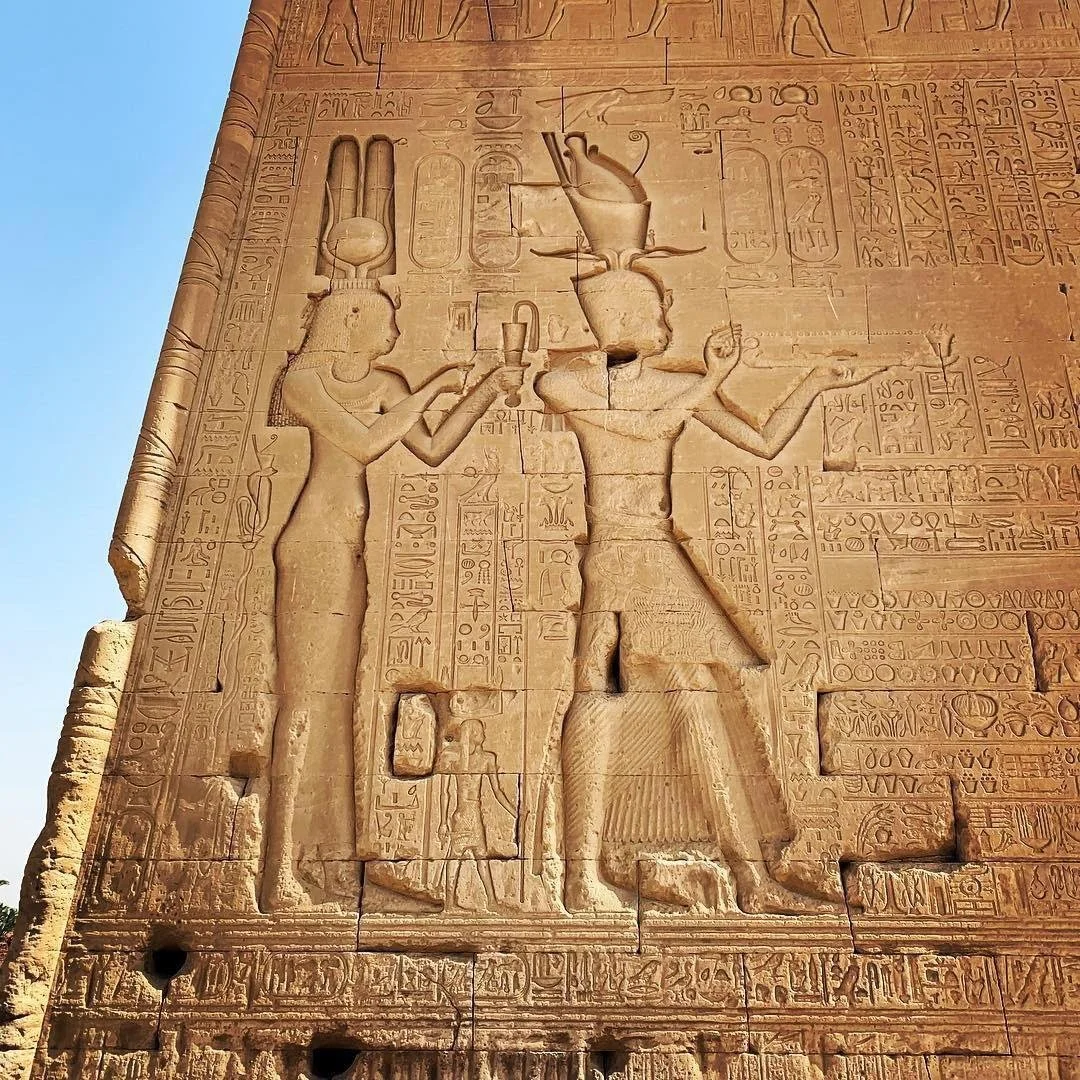
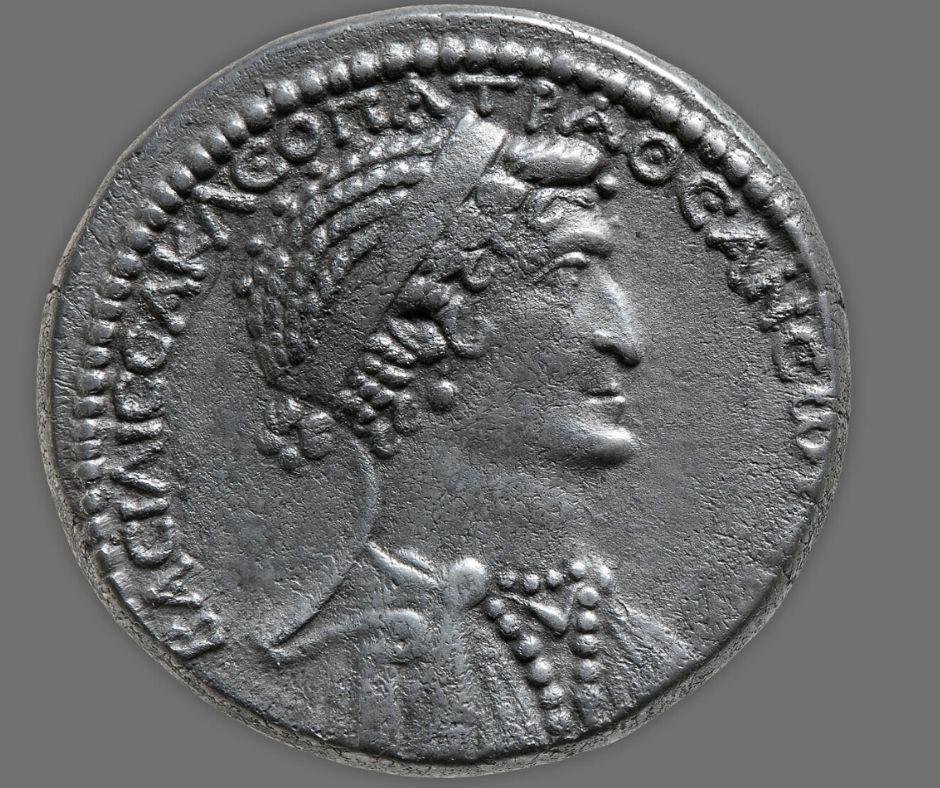
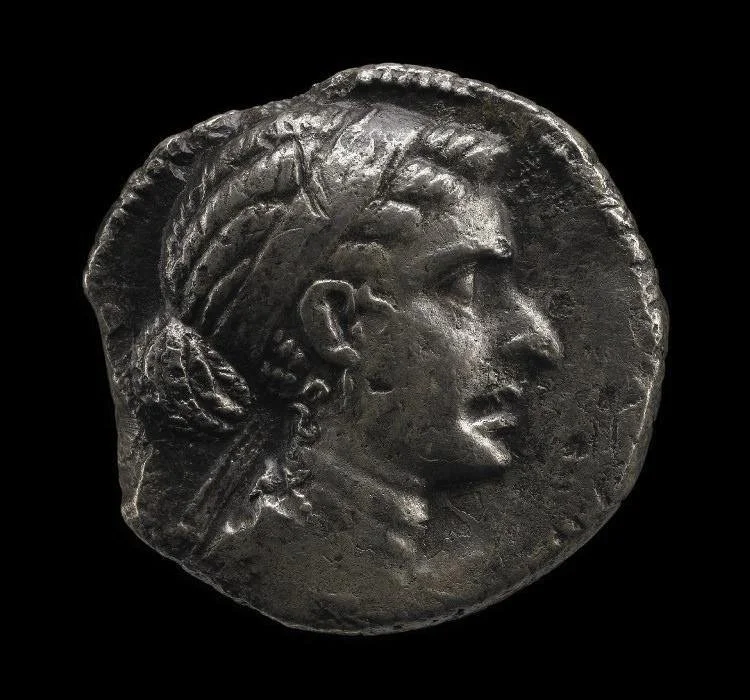
Few women in history have been mythologized as extensively as Cleopatra VII. Popular culture has often reduced her to beauty and seduction, obscuring a far more complicated political figure who ruled Ptolemaic Egypt during an extraordinarily volatile period.
For StormLife, Cleopatra represents Strategy & Influence. Influence is not manipulation. It is understanding your environment, recognizing what matters, communicating intelligently and making choices with a longer horizon in mind.
Many women have been taught to distrust ambition or soften their intelligence so it does not threaten others. Cleopatra’s code asks us to reconsider that bargain: What becomes possible when a woman stops apologizing for being strategically intelligent?
There is sovereignty in thinking beyond the immediate moment. In negotiating. In understanding resources. In recognizing relationships. In choosing where your energy will produce the greatest effect.
Not every powerful move needs to look powerful from the outside. Sometimes influence begins with seeing what others have not yet noticed.
Nefertiti · Beauty & Presence
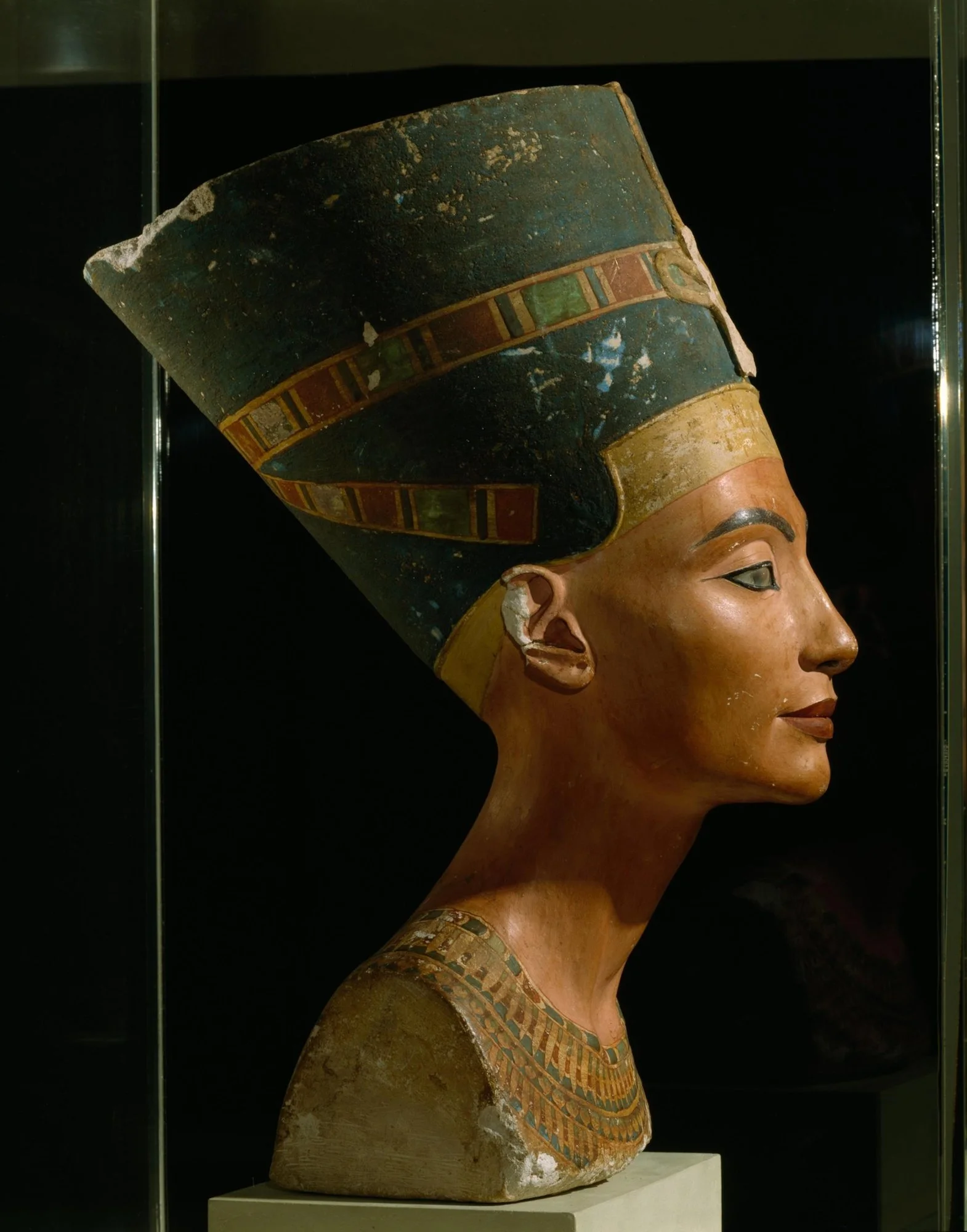
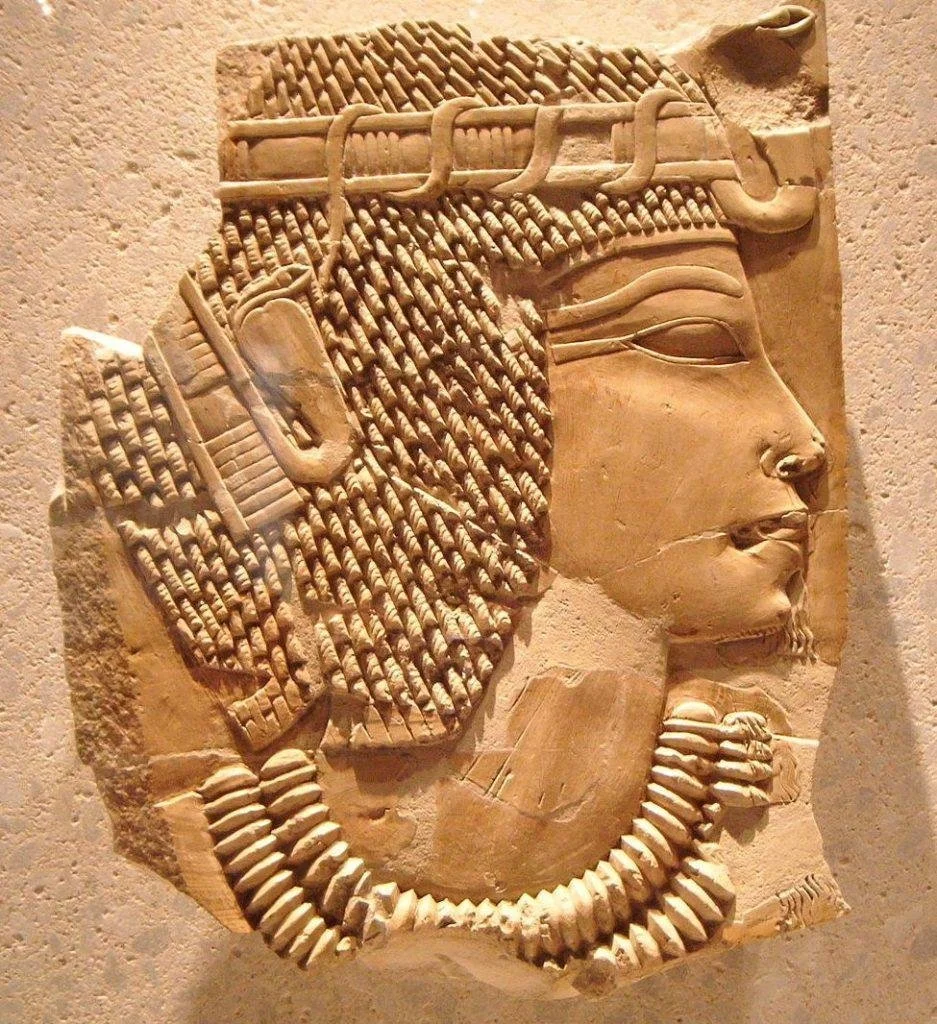
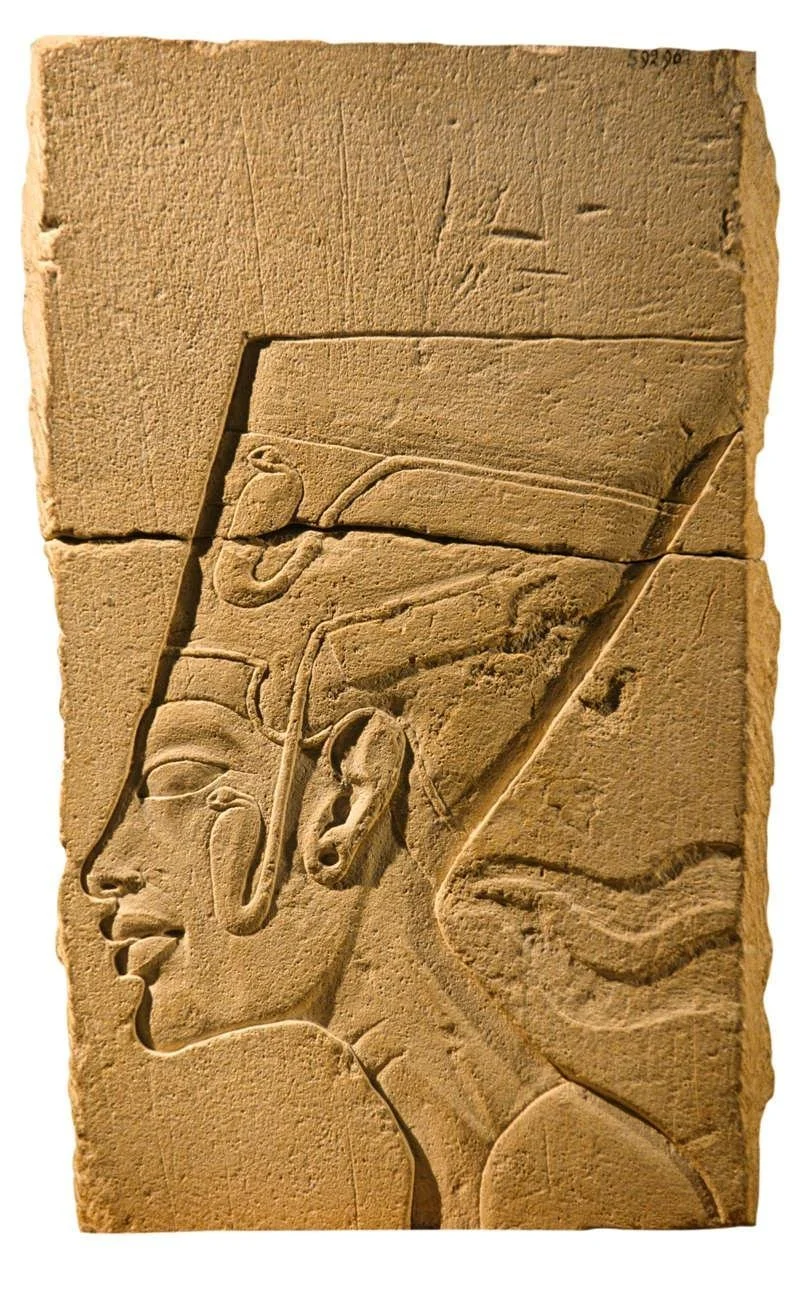
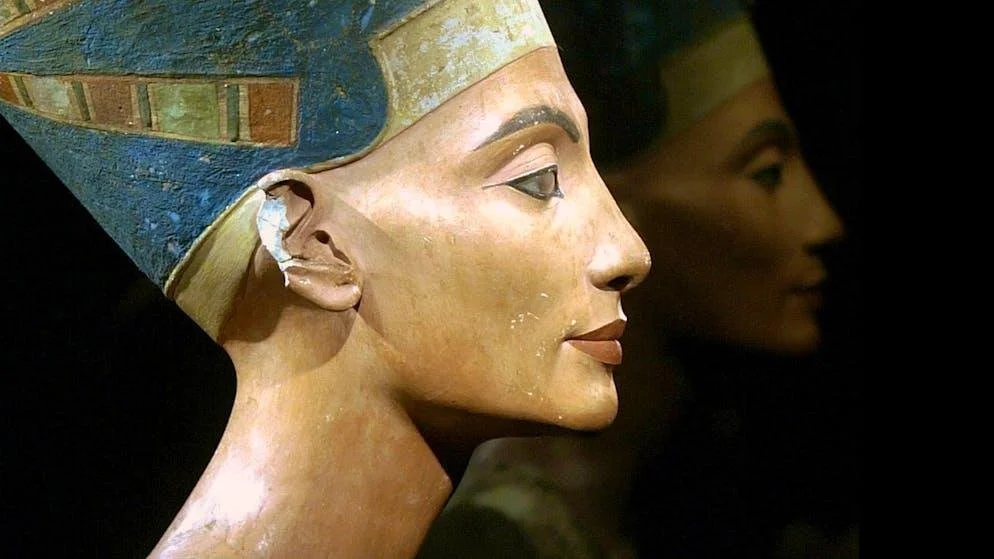
Nefertiti’s face has become one of the most recognizable images associated with ancient Egypt. But within the StormLife framework, beauty is not about reproducing Nefertiti’s appearance.
Her code is Presence. The willingness to be visible. To inhabit your body. To enter a room without immediately reducing yourself to make the room more comfortable.
Women learn shrinking in remarkably subtle ways. Don’t speak too much. Don’t look too pleased with yourself. Don’t be difficult. Don’t be too ambitious. Don’t dress too beautifully. Don’t take up too much space.
Presence interrupts that conditioning. It doesn’t say: Look at me. It says: I am here. And there is a profound difference.
Five Codes, One Woman
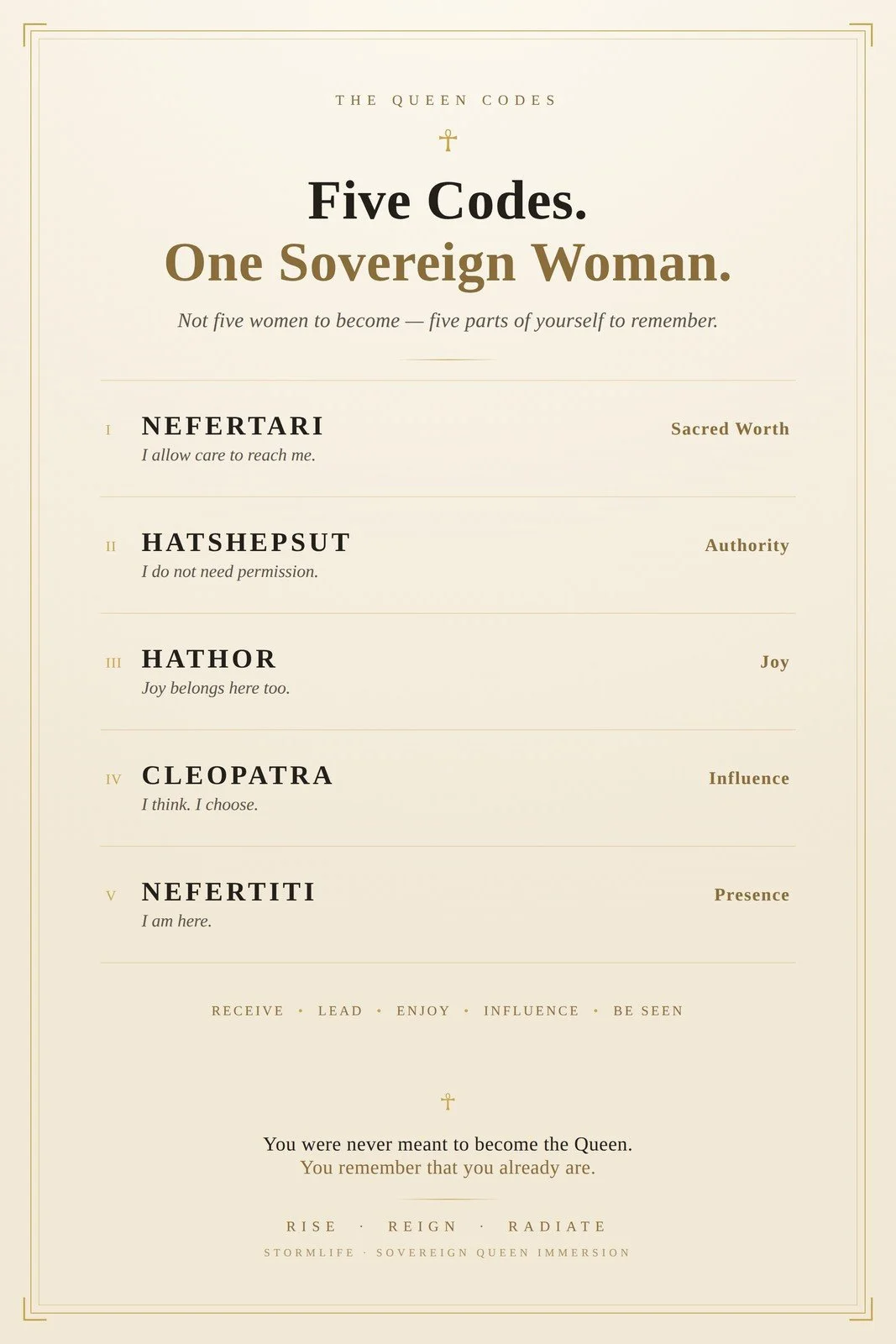
The Queen Codes are not personality types. You are not supposed to decide: I’m a Cleopatra. Or: I’m definitely a Nefertari. Every woman contains all five dimensions.
Nefertari asks: Can I recognize my worth? Hatshepsut asks: Can I trust my authority? Hathor asks: Can I allow joy? Cleopatra asks: Can I use my influence intelligently? Nefertiti asks: Can I allow myself to be fully present?
At different moments in our lives, one question may become louder than the others. But sovereignty isn’t choosing one. It is learning to hold the whole woman.
Why Experience These Codes in Egypt?
You could explore every one of these questions from home. In fact, you should. Sovereignty should never require a plane ticket.
But place can deepen inquiry. There is a difference between reading about Hatshepsut and standing beneath the terraces of the temple she commissioned. Between seeing photographs of Nefertari’s world and entering the landscape in which her story still lives. Between discussing Hathor and walking beneath the extraordinary columns and astronomical ceiling at Dendera.
Egypt provides something a book cannot: scale, atmosphere and physical presence. The history remains history. The interpretation belongs to you.
The Queen Is Not Someone You Become
This is perhaps the most important distinction in the entire Sovereign Queen philosophy. We are surrounded by language telling women what they need to become. Better. Stronger. Younger. More confident. More productive. More spiritual. More successful. Even personal transformation can quietly become another improvement project.
StormLife begins elsewhere. You were never meant to become the Queen. You remember that you already are.
The Queen Codes are not standards against which to measure yourself. They are invitations to notice what may already exist beneath adaptation, responsibility, expectation and habit. Worth. Authority. Joy. Influence. Presence. None needs to be imported. Perhaps some simply need to be remembered.
Which Queen Code Is Calling You?
You don’t need to analyze it. Read the five again: Sacred Worth. Authority. Joy. Influence. Presence. Which word made you stop? Start there.
Ask yourself: Where is this quality already alive in me? Then: Where have I stopped allowing myself to live it?
You don’t need Egypt to answer. But if Egypt has been calling too, perhaps there is something worth listening to.
The Sovereign Queen Immersion brings eight women into these landscapes for twelve intentionally designed days — not to become someone else, but to encounter themselves differently.
And if travel isn’t your next step, stay with the question. The remembering can begin exactly where you are.

